Trézór Bridge®™ — The Secure Gateway for Hardware Wallet Communication
In the world of cryptocurrency, hardware wallets like Trezor are widely trusted for protecting private keys offline. However, to smoothly manage assets through web interfaces or apps, you need a reliable connection channel between your hardware and your computer. That’s where Trézór Bridge®™ comes in — a secure, lightweight connection layer that enables your device to communicate safely with wallets like Trezor Suite and online tools.
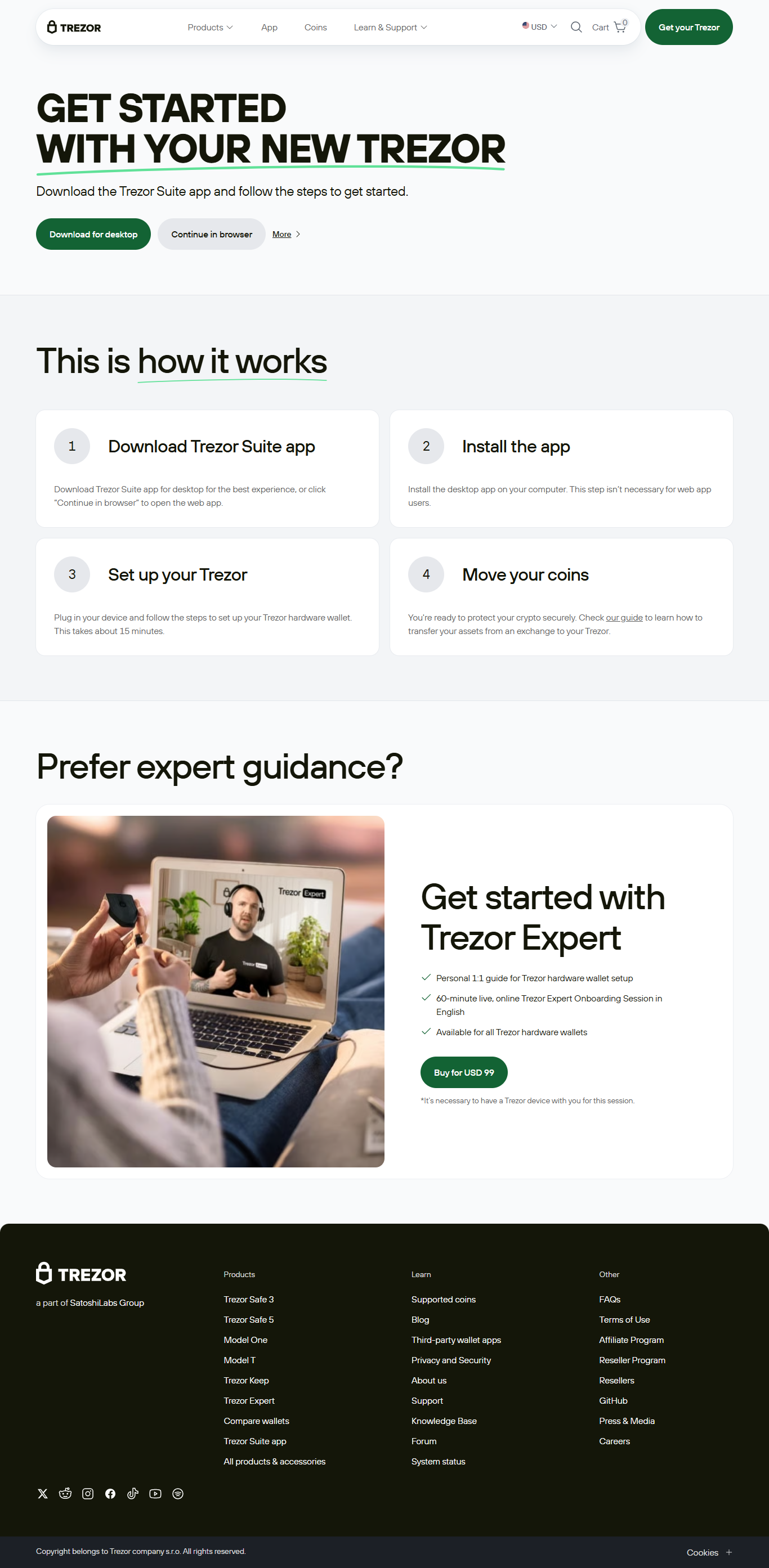
If you’re new to this ecosystem, understanding how Trezor Login trezor suite, trezor bridge, and getting started at trezor.io/start work together is essential for a seamless, secure crypto experience.
What Is Trézór Bridge®™?
Trézór Bridge®™ is a small but powerful utility that acts as a secure gateway between your Trezor hardware wallet and software applications like Trezor Suite or browser-based wallets. Modern browsers restrict direct USB access for security reasons, so trezor bridge is required to allow safe communication without exposing sensitive components like your seed or private keys to the internet.
When running correctly, trezor bridge listens on your computer locally (e.g., a localhost port) and forwards encrypted requests from wallet interfaces to your Trezor device and back. This ensures that Trezor Login trezor suite and other wallet logins work reliably without compromising security.
Why You Need Trézór Bridge®™
1. Fills the Browser USB Gap
Most web browsers don’t let websites talk directly to USB hardware due to security restrictions. Trézór Bridge®™ bridges this gap by acting as a local intermediate that the browser can talk to. This makes it possible for web-based wallets (including Trezor Suite’s web version) to detect and interact with your device.
2. Enables Trezor Login trezor suite in Web Interfaces
Although the desktop version of Trezor Suite might handle communication internally, if you’re using Trezor Login trezor suite through a browser, trezor bridge is typically required to make the connection work consistently across Chrome, Firefox, Edge, Brave, and other browsers.
3. Keeps Private Keys Offline
One of the foundational principles of Trezor security is that your private keys never leave the device. Trézór Bridge®™ does not store or transmit your private keys — it simply forwards encrypted instructions between the wallet interface and the device. All signing happens on the device screen itself, and confirmations are physically approved on your Trezor device during Trezor Login trezor suite sessions.
4. Supports Third-Party Wallets & dApps
Beyond Trezor Suite, trezor bridge is compatible with a wide range of third-party wallets and decentralized applications. This includes integrations with MetaMask, Web3 interfaces, decentralized exchanges, and other platforms that rely on WebUSB or Bridge support for secure hardware wallet communication.
How Trézór Bridge®™ Works
Here’s a simplified view of how Trézór Bridge®™ functions:
Installation — You download and install trezor bridge from the official site at trezor.io/start.
Local Service — Bridge runs as a background service (or daemon) on your system.
USB Detection — When you plug in your Trezor hardware wallet, Bridge detects the device over USB.
Browser Connection — Wallet interfaces (like the web Trezor Suite) send encrypted requests to Bridge.
Device Communication — Bridge forwards these requests securely to your hardware wallet.
Signed Transactions — All transaction signing and sensitive operations take place on the device itself during Trezor Login trezor suite approval.
Because Bridge uses encrypted communication and local network ports, it avoids many of the security pitfalls associated with direct USB access in browsers.
Where to Download Trézór Bridge®™
Always download Trezor Bridge®™ from the official Trezor onboarding page: trezor.io/start.
This official page also provides links to:
The Trezor Suite (desktop & web app)
Firmware updates for your Trezor device
Guided setup steps for Trezor Login trezor suite
Official troubleshooting documentation
Downloading from anywhere other than trezor.io/start or the official site could expose you to counterfeit or malicious installers designed to compromise your system or credentials.
Installation Guide — Step-by-Step
Here’s how to install Trézór Bridge®™ safely and correctly:
1. Visit trezor.io/start
Navigate to the official onboarding page trezor.io/start and click the link to download the Bridge installer appropriate for your operating system — Windows, macOS, or Linux.
2. Run the Installer
Windows: Run the .exe file and complete the setup.
macOS: Open the .dmg file and drag Bridge to your Applications folder.
Linux: Use the appropriate package (.deb or .rpm) and follow distro-specific package manager instructions.
Once installed, trezor bridge will start automatically and run in the background.
3. Restart Your Browser
To ensure your browser detects Bridge, restart it after installation. This helps the web wallet interface recognize the local Bridge service.
4. Connect Your Trezor Device
Plug your Trezor hardware wallet into the USB port. The web interface or Trezor Suite should now detect the device via Bridge, enabling a secure Trezor Login trezor suite session.
Compatibility and Browser Support
Trézór Bridge®™ is designed to work with major operating systems and popular browsers:
Operating Systems:
Windows (current versions)
macOS (requiring user permission for USB access)
Linux distributions (with appropriate permissions)
Web Browsers:
Chrome
Firefox
Edge
Brave
Others with WebUSB limitations enhanced with Bridge support
While some modern browsers provide native WebUSB support, using Bridge ensures the most reliable experience across platforms, especially in enterprise or security-hardened environments.
Common Issues & Fixes
Even though Trézór Bridge®™ is designed to be stable, users may encounter occasional issues:
Issue: Device Not Recognized
Ensure trezor bridge is installed and running.
Try a different USB cable or ROM port.
Restart the browser or system.
Issue: Browser Doesn’t Detect Bridge
Restart the browser after installation.
Make sure no older or conflicting versions are installed.
Reinstall Bridge from trezor.io/start.
Issue: Login Not Working
When performing Trezor Login trezor suite, ensure that Bridge is active before connecting your device and that you confirm the action on the Trezor hardware screen.
Security of Trézór Bridge®™
Security is the core advantage of hardware wallets like Trezor. Trézór Bridge®™ maintains this model by never exposing your private keys to the host computer or internet. It acts as a passive messenger, forwarding encrypted requests only after you physically confirm actions on the device during Trezor Login trezor suite.
Additionally, because trezor bridge is open-source and regularly updated by SatoshiLabs, it undergoes community and expert code review to ensure there are no hidden vulnerabilities.
Final Thought
Trézór Bridge®™ might seem like a small piece of software, but it plays a vital role in the security and functionality of your Trezor hardware wallet ecosystem. By facilitating a secure local connection between your device and wallet interfaces — especially browser-based applications like Trezor Suite — Bridge ensures your private keys remain secure and offline while enabling rich user experiences.
If you’re setting up your hardware wallet for the first time, always start at the official onboarding page trezor.io/start to download trezor bridge, get Trezor Login trezor suite set up correctly, and follow the recommended security practices. With the right setup, your crypto management will be both safe and convenient.
Frequently Asked Questions (FAQ)
1. What is Trézór Bridge®™?
Trézór Bridge®™ is a lightweight service that enables secure connection between your Trezor hardware wallet and web apps or wallets.
2. Do I need trezor bridge for Trezor Suite?
You need trezor bridge when using the web version of Trezor Suite. For the desktop version, Bridge is typically not required.
3. Where should I download it?
Download only from the official site at trezor.io/start.
4. Is it secure?
Yes. Bridge never accesses private keys — it only passes encrypted requests to your device.
5. Does it work on all operating systems?
It’s compatible with Windows, macOS, and Linux systems.
6. What do I do if my browser doesn’t recognize Bridge?
Restart your browser and ensure you’ve installed Bridge from the official site.
7. Does Bridge replace firmware updates?
No. Bridge is for communication; firmware updates are managed inside Trezor Suite.
8. Can Bridge access my seed phrase?
No — Bridge only facilitates connection and never requests or stores your seed.
9. Is Bridge free?
Yes — it’s free and open-source.
10. Does updating Bridge improve security?
Yes — updates often include compatibility and security improvements.