Official Trézor® Bridge®® | Introducing the New Trezor®®™
In the expanding universe of cryptocurrency security, Trézor® Bridge®® stands out as an essential component of the Trezor ecosystem. Built to enable seamless and secure communication between your hardware wallet and software applications, trezor bridge plays a pivotal role in the user experience — especially for those interacting with Trezor Login trezor suite and other wallet interfaces.
If you’re stepping into crypto for the first time or upgrading your security toolkit, this guide will help you deeply understand Official Trézor® Bridge®®, how it works with Trezor Login trezor suite, where to get it on trezor.io/start, and why this new generation of bridge technology matters.
What Is Official Trézor® Bridge®®?
Official Trézor® Bridge®® is the latest generation of the middleware utility that enables communication between your Trezor hardware wallet and applications such as Trezor Suite, browser wallets, and web-based crypto tools. When a user connects their Trezor device to a computer, the trezor bridge acts as the secure translator, allowing the device to communicate with software interfaces while keeping private keys offline.
This is crucial for the Trezor Login trezor suite experience because modern web browsers impose restrictions on direct USB access for security reasons. Without trezor bridge, connecting your Trezor hardware to web apps or native wallet software would be unreliable or impossible.
Why Trézor® Bridge®® Matters
1. Secure Communication for Hardware Wallets
Privacy and security are top priorities when it comes to managing cryptocurrency. Official Trézor® Bridge®® ensures that communication between your hardware wallet and wallet software — whether desktop or web-based — remains encrypted and isolated. During Trezor Login trezor suite or any other operational flow, your sensitive data, private keys, and signing operations never leave the secure hardware environment of your device.
Every time you use trezor bridge in coordination with Trezor Login trezor suite, the bridge acts as a local intermediary safeguarding your wallet interactions.
2. Enables Browser and Desktop App Communication
Web browsers today limit direct interaction with USB devices to reduce security vulnerabilities. This is where trezor bridge becomes essential: it allows the browser to safely communicate with your hardware wallet on the local machine without exposing it to external threats. Whether you’re using the desktop version of Trezor Suite or attempting Trezor Login trezor suite in a web environment, trezor bridge makes the connection work reliably.
3. Works Seamlessly with Official Onboarding via trezor.io/start
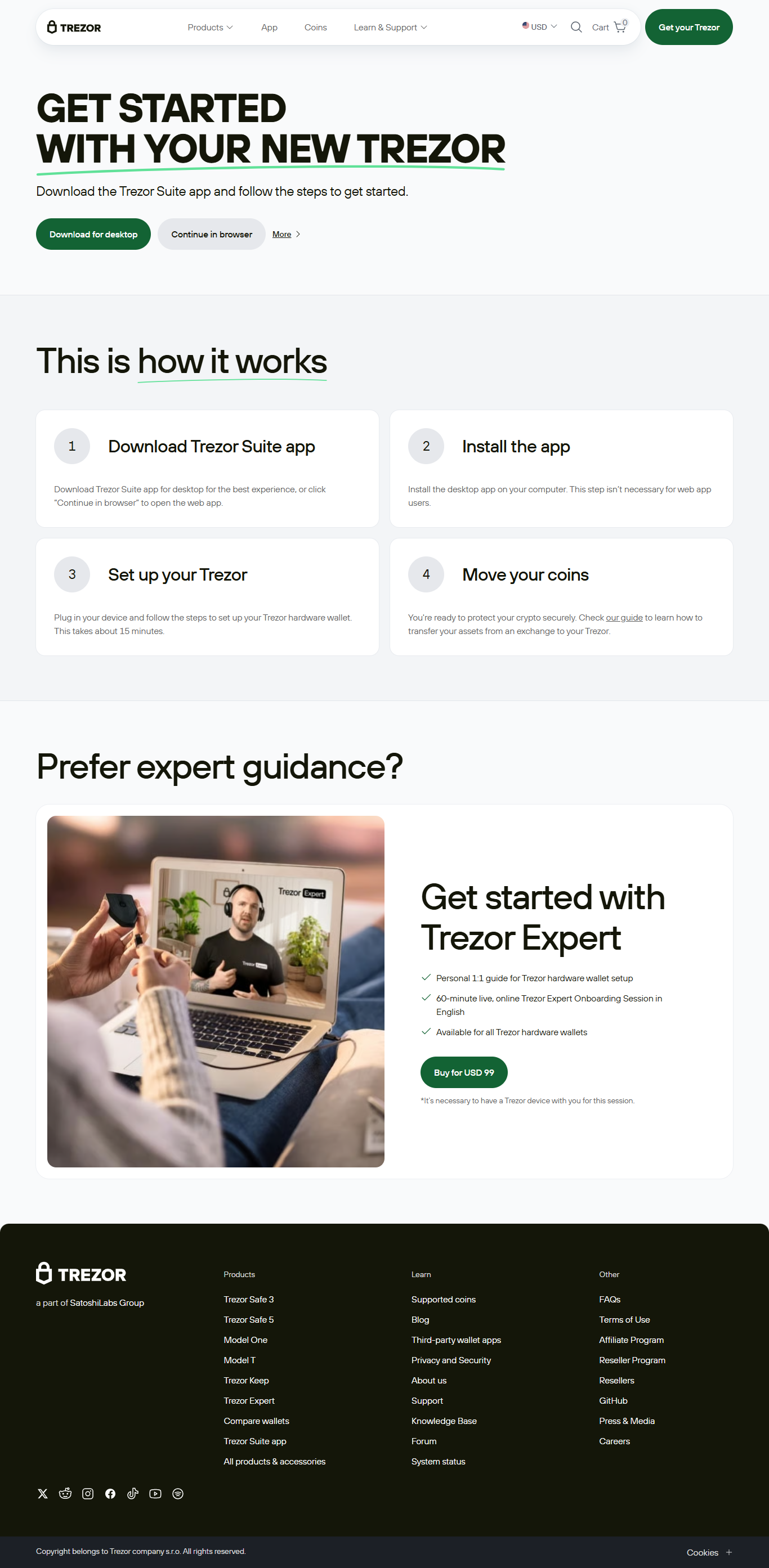
Trezor has made it easy to start your hardware wallet journey through the official onboarding page at trezor.io/start. This page not only helps you download the official Trezor Suite but also provides the branded version of trezor bridge required to complete secure wallet setup, including Trezor Login trezor suite.
Downloading from trezor.io/start ensures that you’re using the official, secure version of trezor bridge provided by SatoshiLabs, without risk of third-party tampering or counterfeit installers.
How Trézor® Bridge®® Works
Official Trézor® Bridge®® functions as a local service on your machine. When you connect your Trezor hardware wallet, the bridge activates in the background and listens for connection requests from compatible wallet interfaces like Trezor Suite or browser wallet plugins that support hardware wallets.
Here’s a step-by-step breakdown of how trezor bridge interacts with your device:
Install trezor bridge — Start at the official onboarding portal trezor.io/start, where the installation link is provided.
Connect your Trezor device — Use a USB cable to connect the hardware wallet after installation.
Launch Trezor Suite — Open the desktop or web version of Trezor Suite.
Initiate Trezor Login trezor suite — When prompted, log in securely by confirming your PIN on the hardware device.
Bridge communication begins — trezor bridge listens locally and forwards encrypted API calls between the wallet UI and your physical device.
Perform transactions securely — Sign transactions, view balances, and manage assets inside Trezor Suite or other supported environments.
Throughout this entire process, your private keys stay on the hardware wallet, and trezor bridge never stores, logs, or transmits them over the internet.
Installing Official Trézor® Bridge®®
To install Official Trézor® Bridge®®, follow these steps:
1. Visit trezor.io/start
Navigate to the official Trezor onboarding portal at trezor.io/start. This portal contains the correct links to download both Trezor Suite and the official trezor bridge installer.
2. Download the Correct Version
Depending on your operating system, choose the appropriate trezor bridge installer:
Windows
macOS
Linux
Each version is packaged to automatically handle the installation, set up necessary drivers, and prepare your system for secure USB communication.
3. Install trezor bridge
Run the installer and follow on-screen prompts. Once installed, trezor bridge will run in the background and be ready to connect to your hardware wallet. You may not even notice it running, as it operates silently until a compatible wallet is opened.
4. Restart Your Browser or App
After installation, restart your web browser or the native Trezor Suite app so that it can detect the trezor bridge service properly.
5. Connect Your Trezor Device
Finally, plug in your Trezor hardware wallet. When you open Trezor Suite or a supported wallet interface, you’ll be prompted to complete Trezor Login trezor suite — which involves entering your PIN on the device itself.
Always ensure you downloaded trezor bridge from the official trezor.io/start portal to avoid counterfeit or malicious software.
Supporting Multiple Wallet Interfaces
While the Official Trezor Suite (desktop and web app) is the primary environment where users perform Trezor Login trezor suite and manage assets, trezor bridge also enables third-party wallet integrations. These include:
Browser wallet extensions compatible with hardware wallets
Decentralized applications (dApps) requiring hardware signing
Web3 interfaces that interact with hardware wallets
Blockchain explorers that support transaction signing
By acting as a secure communication layer, trezor bridge enables these interfaces to connect to your device without compromising your security.
Security Considerations
When it comes to the new Trezor®®™ ecosystem, security remains paramount. Official Trézor® Bridge®® was engineered with multiple protections:
Private Keys Never Leave the Device
Even though trezor bridge facilitates communication, the private keys are always stored inside the secure hardware wallet. All signing and authentication happen on the device screen during Trezor Login trezor suite, which you must confirm manually.
Encrypted Local Communication
The communication channel between your browser or Trezor Suite and the hardware device through trezor bridge is encrypted and locally contained. It never opens your device to external networks.
Official Onboarding Only from trezor.io/start
Always use trezor.io/start for installing trezor bridge or Trezor Suite. This ensures the software is official and unmodified. Downloading from third-party sites may expose you to malware or fraudulent software.
Common Issues and Troubleshooting
Even with a robust solution like Official Trézor® Bridge®®, users might encounter occasional hurdles. Here are common issues and quick fixes:
1. Device Not Detected by Wallet Interface
Ensure trezor bridge is installed and running.
Reboot your browser or desktop app after installation.
Try a different USB port or cable.
2. Trezor Login trezor suite Prompt Doesn’t Appear
Confirm that your device is unlocked (enter the correct PIN).
Check that trezor bridge is running in the background.
Restart the wallet interface and reconnect the device.
3. Browser Doesn’t Communicate with Bridge
Close all browser windows.
Restart the browser to pick up the local trezor bridge service.
Clear your browser cache and try again.
If challenges persist, the official support documentation accessible through trezor.io/start provides step-by-step help and troubleshooting.
Final Thought
The introduction of Official Trézor® Bridge®® reinforces Trezor’s commitment to secure and seamless hardware wallet experiences. Whether you’re integrating trezor bridge with the Trezor Suite for your daily crypto management or connecting to external wallet interfaces, understanding this crucial software layer enhances your control over digital assets.
By starting at trezor.io/start, downloading trusted software, and using Trezor Login trezor suite securely, you ensure your journey into crypto security is built on strong foundations. Since private keys remain offline on your Trezor hardware wallet and trezor bridge never accesses or transmits them, you get the best of both worlds: usability and uncompromised security.
Frequently Asked Questions (FAQ)
1. What is Official Trézor® Bridge®®?
Official Trézor® Bridge®® is the secure middleware that enables communication between your Trezor hardware wallet and software interfaces like Trezor Suite.
2. Do I need trezor bridge for Trezor Login trezor suite?
Yes — especially in web environments. trezor bridge enables Trezor Login trezor suite and device connectivity.
3. Where do I download trezor bridge?
Download the official trezor bridge installer from trezor.io/start.
4. Is trezor bridge safe?
Yes. It only forwards encrypted commands and does not store private keys.
5. Can I use trzor bridge with other wallets?
Yes — it supports third-party wallets and dApps that rely on hardware wallet connectivity.
6. What if my device isn’t detected?
Ensure trezor bridge is installed, restart your browser, and reconnect your hardware device.
7. Does trzor bridge replace firmware updates?
No. Firmware updates are done inside Trezor Suite after Trezor Login trezor suite.
8. Do I need to install trezor bridge every time?
No — install once, and it runs in the background when needed.
9. Can I use trezor bridge on mobile?
Support varies by platform — consult trezor.io/start for the latest compatibility details.
10. Is trzor bridge open source?
Yes — as part of Trezor’s commitment to transparency and security.